Vintage Wedding Design: Adding Timeless Charm to Your Projects
There's something undeniably magical about vintage aesthetics—the soft color palettes, intricate details, and nostalgic warmth that transports you to another era. For designers and creatives working on wedding-related projects, capturing that timeless elegance can be the difference between a forgettable design and one that truly resonates. Whether you're crafting invitations for a couple's big day, building a brand for a wedding planner, or creating printable decorations that set the mood for a celebration, having the right design assets at your fingertips makes all the difference.
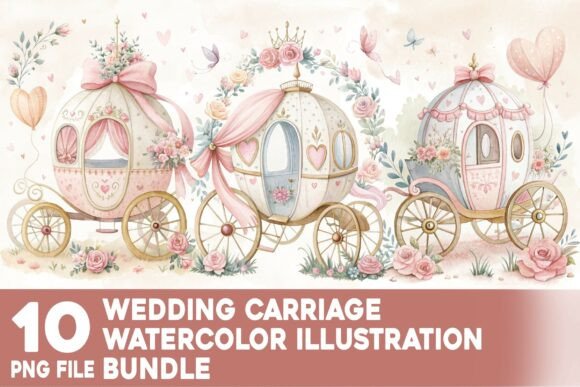
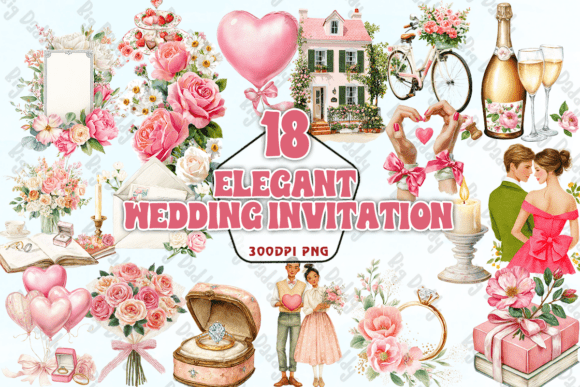
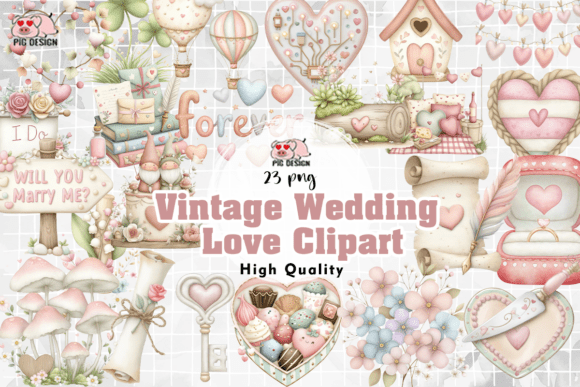
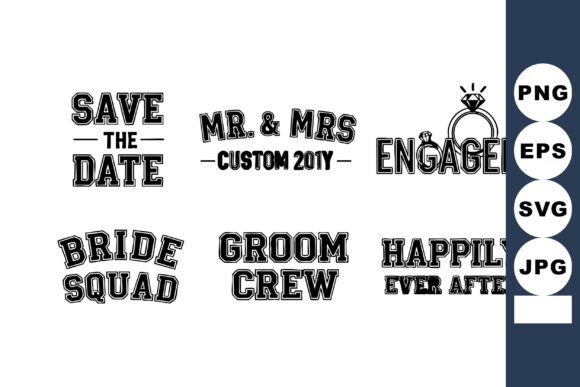
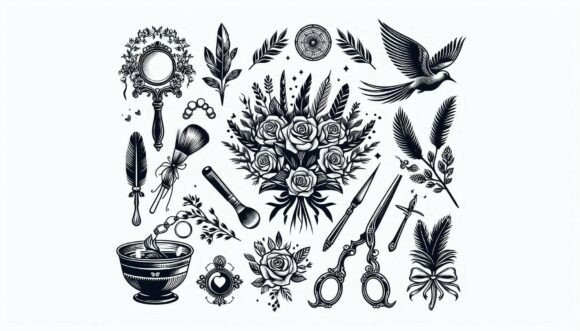
This particular package of Vintage Wedding Design illustrations and clipart offers four high-resolution JPEG files licensed for commercial use. That's a practical starting point for anyone who needs versatile, ready-to-use imagery without spending hours sketching or sourcing individual elements. But beyond the technical specs, what really matters is how these kinds of assets fit into your creative workflow and elevate the work you're already doing.
Why Vintage Wedding Aesthetics Still Captivate Audiences
Trends come and go in the design world, but vintage-inspired visuals have remarkable staying power. There's a reason couples continue gravitating toward rustic barn venues, lace details, and sepia-toned photography. Vintage design taps into emotion—it evokes romance, tradition, and a sense of enduring love that feels both personal and grand.
From a design perspective, vintage wedding elements typically feature soft florals, ornate borders, delicate typography, and muted earth tones. These characteristics work beautifully across a wide range of applications because they're inherently versatile. A floral illustration that looks stunning on a wedding invitation can also anchor a social media post, grace the cover of a wedding planning guide, or add charm to product packaging for a small business selling handmade candles or bath products.
What makes this style particularly effective for branding is its emotional resonance. When a wedding photographer uses vintage-inspired graphics on their website or business cards, they're communicating something specific about their aesthetic and the experience clients can expect. It's visual storytelling without a single word.
Practical Applications for Designers and Small Business Owners
Let's talk about where assets like these actually get used, because the value of any design resource depends entirely on how well it integrates into real projects.
Invitations and Stationery: This is the most obvious application, and for good reason. Wedding invitations set the tone for the entire event. Vintage clipart elements—think floral wreaths, ornate frames, and delicate botanical illustrations—can be layered into invitation designs in programs like Canva or Adobe Illustrator to create something that feels custom and curated.
Marketing Materials: Wedding planners, photographers, florists, and venue owners all need cohesive marketing collateral. Having a set of consistent vintage illustrations means your brochures, rate cards, and promotional flyers share a unified visual language. That consistency builds brand recognition faster than most people realize.
Website and Blog Design: A wedding blog featuring vintage-styled header images, sidebar decorations, and illustrated dividers feels more polished and intentional. These small visual touches signal professionalism to visitors and keep them engaged longer. For WordPress or Squarespace sites, high-resolution JPEG files work seamlessly as background elements or featured images.
Social Media Graphics: Instagram, Pinterest, and Facebook are saturated with wedding content. Standing out requires more than good photography—it demands thoughtful graphic design. Vintage illustrations can frame quotes, enhance promotional posts, or serve as consistent branding elements across your feed. When every post shares the same visual DNA, your profile becomes instantly recognizable.
Merchandise and Print Products: Here's where commercial licensing becomes essential. If you're designing mugs, tumbler wraps, T-shirts, tote bags, or vinyl stickers with wedding-themed graphics, you need assets that are cleared for commercial use. This package explicitly allows that, which opens up real revenue opportunities for Etsy sellers, print-on-demand entrepreneurs, and small business owners creating branded merchandise.
Printable Decorations and Scrapbooking: The crafting community is enormous, and printable decorations for weddings—from table numbers to favor tags to ceremony programs—represent a thriving market on platforms like Etsy. High-resolution vintage clipart files give crafters the flexibility to resize, recolor, and customize elements for their specific projects without losing quality.
Working Smarter with Design Assets
Having beautiful illustrations is only half the equation. Knowing how to use them effectively is what separates amateur work from professional results.
Start with your project goals. Before opening any design file, get clear on what you're creating and who it's for. A vintage wedding invitation for a formal black-tie affair will use these elements differently than a rustic outdoor celebration. The same floral illustration might be sized prominently in one design and used as a subtle watermark in another.
Consider font pairings carefully. Vintage clipart pairs naturally with certain typeface styles—elegant serif fonts, flowing script fonts, and even clean sans serif fonts for contrast. If you're building a brand identity, choose a display font for headlines and a more readable serif or sans serif font for body text. The interplay between illustration and typography should feel harmonious, not competing for attention.
Test at multiple sizes. One advantage of high-resolution files is that they scale well, but always preview your designs at the sizes they'll actually be seen. An illustration that looks gorgeous on a computer screen might lose detail when printed small on a business card, or feel overwhelming when blown up for a poster.
Maintain visual consistency. If you're using vintage wedding design elements across multiple touchpoints—website, social media, printed materials, packaging—make sure they feel like they belong together. Stick to a cohesive color palette and use the illustrations in similar ways throughout. This is how brand identity gets built: through repetition of intentional visual choices.
Layer and customize. Don't just drop a clipart element onto a white background and call it done. Experiment with opacity, color overlays, and positioning. Place illustrations behind text as subtle backgrounds. Combine multiple elements to create unique compositions. The goal is to make these assets feel like they were created specifically for your project.
Making the Most of Your Commercial License
The commercial use allowance in this package is worth emphasizing because it fundamentally changes what you can do with these files. Personal projects are one thing, but when you can legally incorporate design assets into products you sell, the return on investment multiplies significantly.
Think about the range of possibilities: wedding planners can create branded client welcome packets. Stationery designers can sell invitation templates on Etsy. Content creators can develop and sell digital planners with vintage wedding themes. T-shirt designers can create apparel for bridal parties. Each of these represents a legitimate business opportunity that starts with having the right design assets and the proper licensing to use them.
Just remember to review the specific terms of any commercial license before launching products. Understanding what's permitted ensures you can build your business confidently without unexpected complications down the road.
Bringing It All Together
Vintage wedding design occupies a sweet spot in the creative world—it's emotionally compelling, visually versatile, and commercially viable across dozens of applications. Whether you're a professional designer building out a client's wedding brand, a small business owner creating products for the bridal market, or a hobbyist crafting personalized decorations for a friend's celebration, having access to quality illustrated assets streamlines your process and elevates your output.
The real value lies not in the files themselves but in what you create with them. A thoughtfully designed wedding invitation that captures the romance of a vintage aesthetic, a cohesive brand identity that makes a wedding planner's business feel established and trustworthy, a line of printed products that customers are excited to purchase—these are the outcomes that matter. Start with strong design assets, apply them with intention and creativity, and the results will speak for themselves.